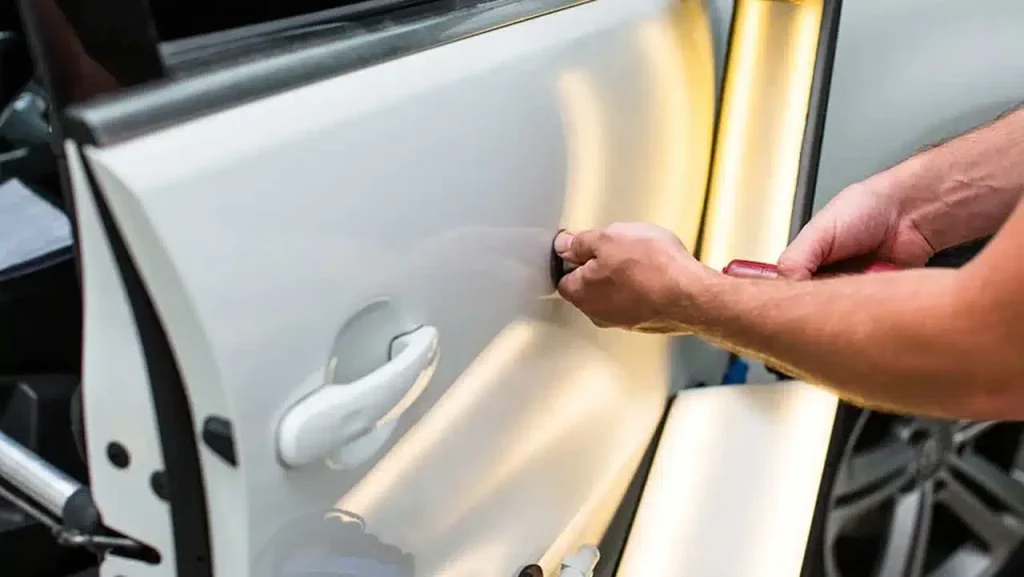


Unibody damage occurs when a collision bends, twists, cracks, or otherwise damages the structural parts of a vehicle’s integrated body. These parts can include frame rails, rocker panels, floor sections, pillars, and suspension mounting areas. Because the body and structure work together, damage may extend beyond what you can see from outside the car.
The good news is that unibody damage doesn’t automatically mean your vehicle is totaled. Many structural components can be repaired or replaced, provided the work follows the vehicle manufacturer’s repair procedures.
Here’s how to recognize unibody damage, understand your repair options, and know what to expect from a collision repair shop.
What Is a Unibody Car?
A unibody car uses unitized body construction, meaning the vehicle’s body and main load-bearing structure are joined into one assembly rather than mounted on a separate frame.
The floor, roof, pillars, structural rails, and other reinforced sections work together to support the vehicle and manage forces during a collision.
Most modern passenger cars, crossovers, and many SUVs use this design.
The term unibody doesn’t mean the entire car is made from one piece of metal. Different panels and structural members are joined through factory-approved methods, including welding, adhesives, and mechanical fasteners.
This construction also allows manufacturers to engineer areas that absorb crash energy while helping protect the passenger compartment.
Unibody vs. Body-on-Frame: What’s the Difference?
The biggest difference is how the vehicle’s body is supported.
A unibody vehicle has an integrated structure, while a body-on-frame vehicle has a separate chassis underneath the body.
| Feature | Unibody construction | Body-on-frame construction |
| Main structure | Integrated body and structural members | Separate frame supporting the body |
| Common vehicles | Sedans, crossovers, many SUVs | Pickup trucks and traditional full-size SUVs |
| Structural damage | May affect rails, pillars, rockers, and floor sections | May affect frame rails, crossmembers, and body mounts |
| Repair methods | OEM-approved straightening or structural component replacement | OEM-approved frame straightening or component replacement |
| Repair cost | Depends on damage, materials, and procedures | Depends on frame damage, access, and procedures |
Neither design is automatically cheaper or easier to repair after an accident.
For example, replacing a damaged bolt-on fender on a unibody car may be fairly straightforward. Repairing a severely twisted truck frame can be much more involved.
The important factor is which parts were damaged and what the manufacturer allows technicians to repair.
What Are the Signs of Unibody Frame Damage?
Not all unibody damage is visible. A car may have a damaged bumper or fender while the structural components behind it also need attention.
Possible signs of structural damage include:
- Uneven panel gaps: The hood, trunk, or doors no longer line up as they did before the accident.
- Doors that don’t close properly: A door may bind or have trouble latching after an impact.
- Steering or alignment changes: The vehicle pulls to one side or the steering wheel sits off-center.
- Visible bends or creases: Structural rails, rocker panels, or other supporting sections show deformation.
- New suspension or tire problems: Changes in handling or uneven tire wear develop after a collision.
These signs don’t prove the unibody is damaged. Suspension problems, wheel alignment issues, and damaged exterior panels can cause some of the same symptoms.
A professional frame inspection is needed to determine whether the structure has moved outside factory specifications.
If the vehicle’s steering, suspension, or door latches are affected after a collision, avoid driving it until it’s been assessed.
Can a Unibody Frame Be Repaired?
Yes. Many unibody frames and structural components can be repaired, but not every damaged part is repairable.
The decision depends on the vehicle’s manufacturer, model, material, and location and severity of the damage.
For example, an approved repair procedure may allow a technician to straighten a particular structural area or replace an individual frame rail section.
Other components may need complete replacement if they are kinked, cracked, severely deformed, or made from materials that cannot safely be straightened.
High-strength and ultra-high-strength steels are particularly important. Applying excessive heat or using an unauthorized repair method can change how these materials perform during another collision.
I-CAR’s structural sectioning guidance explains why technicians must follow manufacturer-approved procedures rather than cutting and joining structural parts wherever convenient.
How Is Unibody Damage Repaired?
Professional unibody repair generally involves several stages.
- Inspect and document the damage
Technicians examine the visible damage and check for signs of structural movement. Vehicle scanning and further disassembly may be needed to identify damage that isn’t immediately visible.
- Measure the vehicle’s structure
Specialized frame measuring equipment compares important structural reference points against the manufacturer’s specifications.
These measurements help identify areas that have shifted and guide the repair plan.
- Review the manufacturer’s repair procedures
The technician determines which components may be straightened, which must be replaced, and which joining methods are approved for that vehicle.
- Perform the structural repair
Depending on the repair plan, technicians may use controlled frame straightening, approved component replacement, welding, or other manufacturer-specified joining methods.
A unibody pull is not appropriate for every structural part. The repair method must be permitted for that material and component.
- Verify the completed repair
Final checks may include structural measurements, wheel alignment, corrosion protection, electronic system scans, and ADAS calibration when required.
The goal is to restore the affected structure according to the vehicle manufacturer’s specifications, not simply make the exterior panels look straight.
How Much Does Unibody Frame Repair Cost?
The cost of unibody frame repair depends on how much structural damage occurred, which components are affected, and whether straightening or replacement is required.
There isn’t one reliable flat price for every unibody repair.
Costs may include:
- Structural inspection and diagnostic measurements
- Disassembly to identify hidden collision damage
- Frame straightening or structural component replacement
- OEM replacement parts and approved joining materials
- Bodywork, paint, and corrosion protection
- Wheel alignment, electronic scans, and required ADAS calibration
Plan B Autobody publishes a structural/frame labor rate of $75 per hour. That is the labor rate, not the total price of repairing a damaged unibody.
You can review our published collision repair labor rates or request an estimate for your specific vehicle.
A minor structural adjustment and a major rail replacement are very different jobs. An accurate repair estimate requires identifying the affected parts and the procedures needed.
How Long Does Unibody Repair Take After an Accident?
Unibody repair may take several days or longer, depending on the damage and repair requirements.
A repair involving one accessible structural component may take less time than an accident requiring extensive disassembly, replacement parts, multiple joining procedures, refinishing, and calibration.
Hidden damage discovered after disassembly can also change the schedule.
For a closer look at what affects the timeline, read our guide on how long auto body repair takes after an accident.
Why Manufacturer Repair Procedures Matter
Structural repairs affect parts designed to carry vehicle loads and manage crash forces. Restoring the visible shape of the body isn’t enough to confirm a proper repair.
The exact material, location of the damage, approved joining methods, and post-repair checks all matter.
Plan B Autobody is an independent I-CAR Gold Class collision repair center with manufacturer collision repair certifications for Nissan, INFINITI, Honda, Acura, Hyundai, and Kia.
We repair vehicles of all makes and models, with manufacturer-specific certifications for these brands.
Our approach is to assess the collision damage, identify the appropriate repair procedures, and explain what the vehicle needs before repairs move forward.
We work with insurance companies, not for them. That means our repair recommendations are centered on the vehicle’s condition, manufacturer requirements, and customer safety.
You can learn more about our complete collision repair services, including frame straightening, structural repairs, and body panel replacement.
Frame and Unibody Repair Near Nashville & Goodlettsville, TN
If your car has been in an accident and you’re concerned about frame damage, Plan B Autobody can evaluate the vehicle and explain the next steps.
Our Goodlettsville collision repair center serves drivers from Nashville, Hendersonville, Madison, White House, and surrounding Middle Tennessee communities.
We provide collision damage assessment, frame straightening, unibody repair, bodywork, and related safety-system services.
If you’re unsure whether a damaged panel needs repair or replacement, you can also read our guide on when body panel replacement makes sense after a collision.
Schedule a Frame and Unibody Repair Estimate
Plan B Autobody
1621 US-31W, Goodlettsville, TN 37072
Call: (615) 672-7022
Request a Free Collision Repair Estimate to have your vehicle assessed and discuss your repair options.
Frequently Asked Questions About Unibody Repair
Can a car with unibody damage be safely repaired?
Yes, some vehicles with unibody damage can be safely repaired when the damaged components are repairable and the work follows the manufacturer’s procedures. Severe damage may require structural replacement or make the vehicle uneconomical to repair. The decision requires a proper inspection.
Does unibody damage mean a car is totaled?
No. Unibody damage doesn’t automatically make a car a total loss. Insurers consider repair costs, vehicle value, applicable state rules, and policy terms when deciding whether a vehicle is economically repairable.
Is unibody damage the same as frame damage?
Unibody damage can be a form of frame or structural damage. On a unibody vehicle, the main supporting structure is integrated into the body. A cosmetic dent in an exterior panel, however, doesn’t necessarily mean the supporting structure is damaged.
Can I repair unibody frame damage myself?
Structural unibody repair isn’t suitable for DIY work. It requires specialized measuring equipment, knowledge of vehicle materials, and manufacturer-approved repair procedures. An incorrect repair may affect vehicle alignment or performance in another collision.
Does unibody repair require ADAS recalibration?
Not every unibody repair requires calibration. It depends on the vehicle and the work performed. Structural or suspension repairs can affect the position of cameras and sensors used by advanced driver assistance systems. Read about ADAS recalibration after a collision and why manufacturer requirements matter.