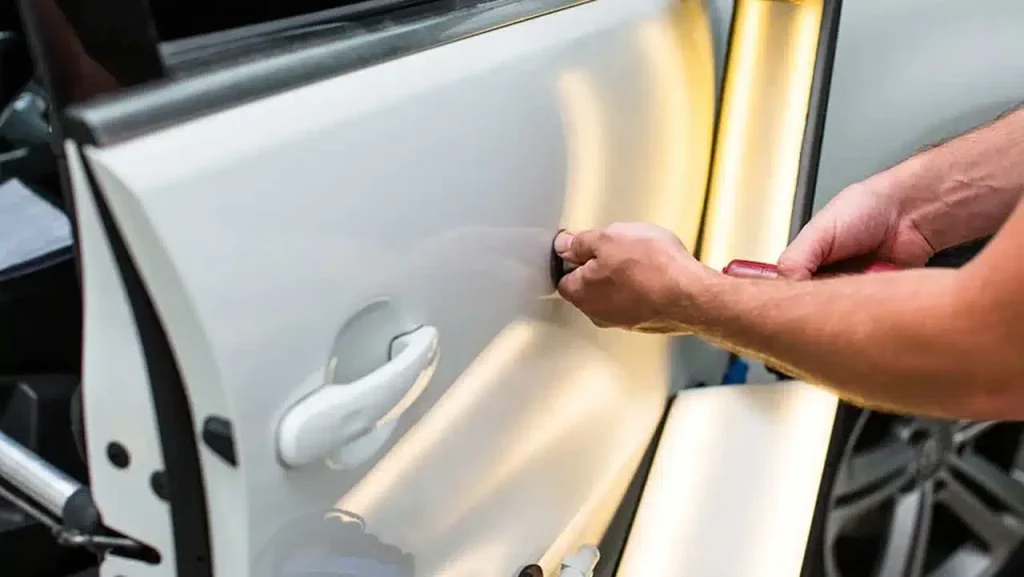


Getting your car back on the road after an accident can feel like a waiting game, especially when you’re unsure how long auto body repairs typically take. Whether it’s a minor dent or major collision damage, repair times can vary significantly based on damage severity, part availability, and even the type of car you own.
This post will discuss factors impacting auto body repair timelines, how long typical repairs take, and what to expect throughout the process. By the end, you’ll clearly understand what might affect your repair timeline.
Factors That Determine Auto Body Repair Time
The duration of an auto body repair depends on several key elements, which can either speed up or slow down the process:
1. Severity of Damage
The extent of the damage to your vehicle is often the largest determining factor. For example:
- Minor Repairs like scratches, dents, or minor bumper damage can be completed in 1–3 days.
- Major Repairs involving structural issues, frame damage, or complete repainting usually take 1–3 weeks or more.
Severe damage requiring extensive disassembly or welding could push the timeline even further.
2. Part Availability
If your vehicle requires parts for repairs (e.g., bumpers, fenders, or windshields), how long it takes to source them can impact the timeline.
- Common Parts for Popular Models (e.g., Toyota Camry or Honda Civic) are often readily available and can arrive within 1–2 days.
- Specialized or Imported Parts for luxury or vintage vehicles may take weeks to be delivered, especially if they’re on backorder.
3. Type of Vehicle
The make and model of your car play a role. Standard vehicles generally have easier access to parts and trained technicians, while high-end, luxury or specialty vehicles may require advanced expertise and more time-consuming repairs.
4. Insurance Approval
If your repairs are covered by insurance, the claims review process can add time. Insurance companies often need 3–5 days (or longer for complex claims) to approve estimates and authorize repairs.
5. Repair Shop Workload
Auto body shops deal with varying levels of demand. During busier seasons (e.g., following severe weather events), repair times may extend due to increased workload.
Stages of Auto Body Repair Process
Repairing a vehicle involves multiple steps, each impacting the overall timeline. Here’s what to expect:
1. Assessment and Estimation (1 Day)
The repair process begins with a thorough inspection to evaluate the damage. The shop provides a cost estimate and time frame for the job. This step may also involve taking photographs for insurance purposes.
2. Insurance Approval (3–5 Days)
If filing an insurance claim, your provider must review and approve the estimate. Staying in close communication with the insurance company can expedite this step.
3. Parts Ordering and Delivery (1–7 Days)
Once approved, any necessary parts are ordered. Delivery timelines depend on part availability, proximity to suppliers, and whether parts are OEM (Original Equipment Manufacturer) or aftermarket.
4. Body Repairs and Painting (1–4+ Weeks)
This is the most work-intensive phase, where technicians repair or replace damaged panels, straighten frames, fix mechanical components, and apply paint. The duration varies significantly:
- Dent Repair or Small Touch-Ups can take as little as a day.
- Major Collision Repairs may last several weeks, including structural work and repainting.
5. Reassembly and Quality Control (1 Day)
Once repairs are complete, the vehicle is reassembled and undergoes quality control checks to ensure safety and performance. Clean-up and detailing are typically included before delivery to the customer.
Typical Timelines by Repair Type
Here’s a summary of common repairs and their estimated timelines:
|
Repair Type |
Timeframe |
|---|---|
|
1–2 Days |
|
|
Bumper or Fender Repairs |
1–4 Days |
|
Windshield Replacement |
1–2 Days |
|
Suspension Repairs |
2–3 Days |
|
Frame Straightening |
4 Days – 2 Weeks |
|
Full Paint Repairs |
1–2 Weeks |
|
Engine or Drivetrain Repairs |
1–4 Weeks |
|
Total Vehicle Restoration |
4–8+ Weeks |
It’s essential to note that these timeframes are averages and may vary based on your vehicle’s specific circumstances.
Tips to Minimize Repair Delays
While some factors are beyond your control, there are steps you can take to streamline the process and reduce repair time potentially:
- Communicate Proactively
Stay in constant contact with the auto body shop and promptly provide any required documents (e.g., insurance details).
- Approve Repairs Quickly
When a shop requests your approval for additional repairs or parts, respond quickly to avoid unnecessary delays.
- Choose Repairs During Off-Peak Times
Schedule repairs during slower periods when repair shops aren’t overwhelmed with seasonal demand.
- Ask for Updates
Request regular updates on your vehicle’s repair progress to stay informed and plan accordingly for delays.
- Consider Alternate Shops
For insurance claims, ensure that the shop has experience working with your insurer to simplify communication and approval timelines.
Questions to Ask the Auto Body Shop
When working with an auto body repair facility, it’s essential to ask the right questions to ensure transparency and realistic expectations:
- How long will repairs take based on the current workload?
- Are parts for my vehicle readily available, or are delays expected?
- What is the process if additional damage is discovered during disassembly?
- Will there be a quality control inspection before returning my vehicle?
Clarifying these details upfront will help avoid surprises later.
Why Auto Body Repair Times Matter
Understanding how long auto body repair takes can help manage expectations and make planning easier. Whether arranging alternative transportation or budgeting for repairs, having a clear idea of the process reduces stress and uncertainty.
Minor damages may be repaired quickly, but complex cases will naturally take longer. Open communication with the repair shop, proper documentation, and proactive decisions can all contribute to ensuring a smoother experience.